

Funeral Etiquette Guide: What to Say, Wear, and Do

April 3, 2026

Share this article

Proper funeral etiquette is a set of social guidelines designed to honor the deceased and support grieving families through respectful conduct. This includes wearing modest attire, offering sincere condolences, and following the specific instructions of the service, ensuring a dignified environment for remembrance and healing for everyone present.

What is the primary purpose of funeral etiquette?

At its core, funeral etiquette is not about rigid rules or outdated traditions; it is about creating a space of comfort and respect for those who are mourning. When a community comes together in Provo, Orem, or Springville to honor a life, the collective behavior of the attendees sets the tone for the entire service. By following established norms, you minimize distractions and allow the focus to remain on the individual being remembered and the family seeking peace.

In Utah County, where community ties are often deep and multi-generational, funerals serve as a vital touchpoint for healing. Whether you are attending a service at one of our Berg Mortuary facilities or a local LDS chapel, your presence signifies support. Understanding etiquette helps you navigate these emotionally charged situations with confidence, ensuring that your actions align with your intentions of kindness and solidarity.

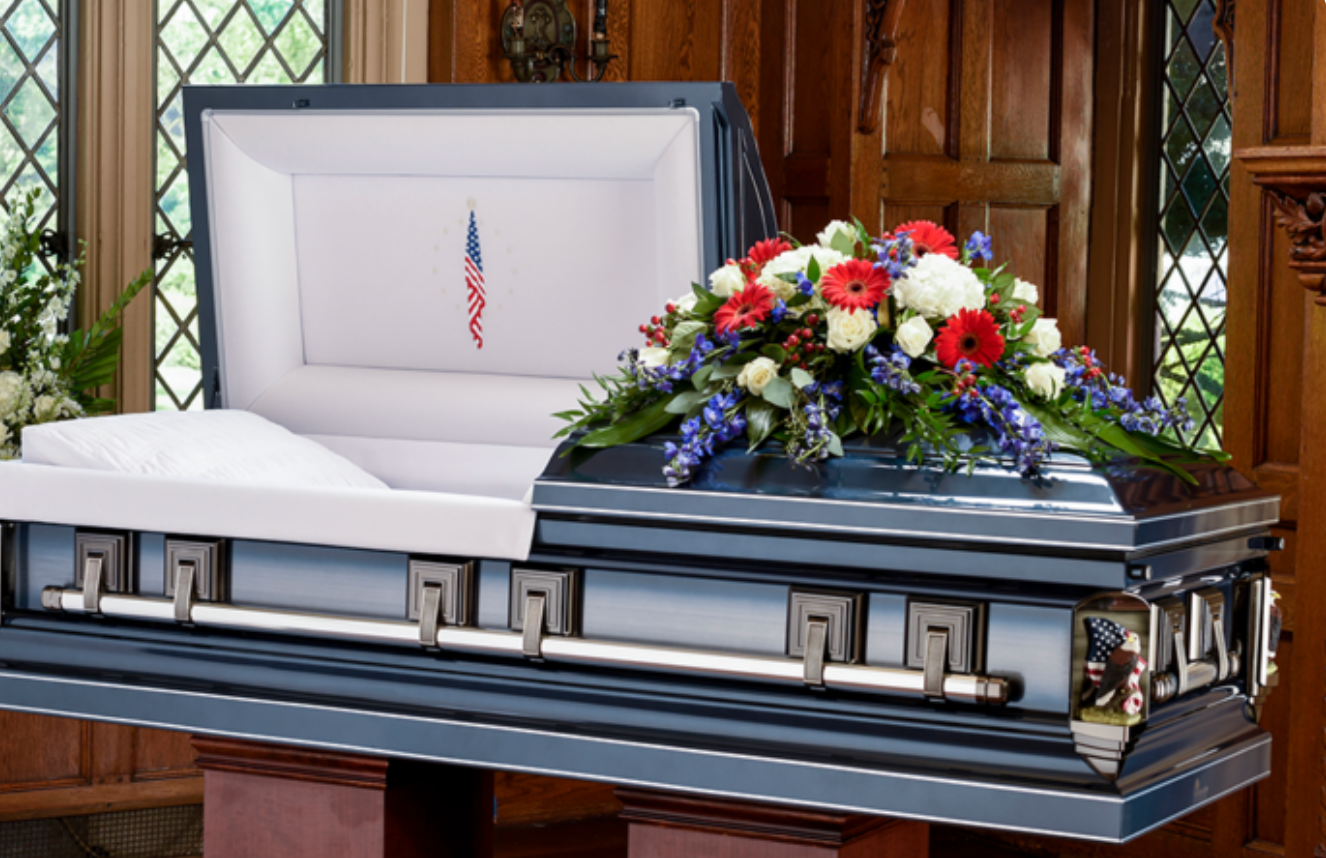
Funeral Chapel Setting

Why consistency matters in mourning

Consistency in how we treat the bereaved provides a sense of stability during a time of chaos. When everyone understands the basic expectations—from where to sit to how to offer a handshake or hug—the family can feel a structured layer of protection around them. This shared understanding of funeral etiquette helps bridge the gap between individual grief and community support.

What should I wear to a funeral in Utah County?

Choosing the right attire for a funeral in Utah is often a matter of showing respect through modesty and traditional styles. While the strict requirement of wearing all black has softened over the decades, the goal remains to avoid drawing unnecessary attention to oneself. In the Provo and Orem areas, "Sunday Best" is the standard benchmark for most memorial services.

For men, this typically means:

  • A dark-colored suit or a dress shirt with a tie.
  • Polished dress shoes.
  • Well-groomed hair and a neat appearance.
  • Neutral colors like navy, charcoal, or black.
  • Avoidance of casual wear like jeans or athletic shoes.

For women, appropriate choices include:

  • A modest dress or skirt that falls at or below the knee.
  • A professional blouse paired with slacks.
  • Subdued colors and patterns that aren't overly bright.
  • Minimal jewelry and conservative makeup.
  • Comfortable yet formal shoes, especially for graveside services.

Cultural nuances in Utah County attire

Because many services in our region are held in religious settings, such as LDS ward buildings, it is important to consider local standards of modesty. This often means ensuring shoulders are covered and avoiding anything overly revealing. If the family has requested a specific theme—such as wearing the deceased's favorite color—it is perfectly acceptable to follow those instructions, as it honors the family's specific vision for the service offerings .

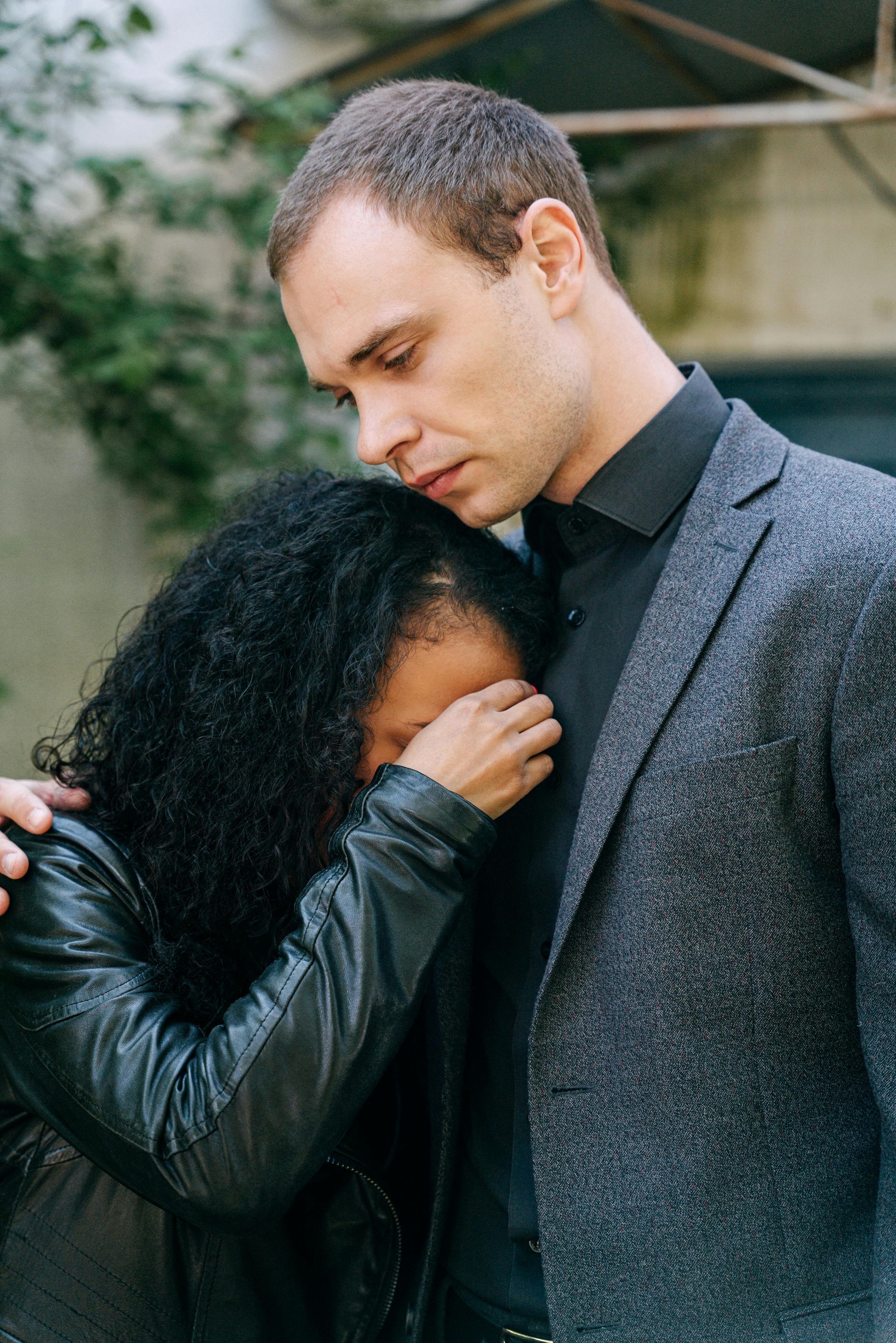
Modest Funeral Attire

Choosing the right words of comfort

One of the most common anxieties people face is knowing what to say to someone who has lost a loved one. Many worry about saying the wrong thing or inadvertently causing more pain. The truth is that there are no perfect words, but your presence and a simple, sincere message are often enough to provide significant comfort.

When approaching a grieving family member, consider these thoughtful phrases:

  • "I am so sorry for your loss; [Name] was a wonderful person."
  • "My thoughts and prayers are with you and your family."
  • "We will all miss [Name] dearly; they had such a positive impact on us."
  • "I don't have the words, but I am here for you."
  • "What was your favorite memory of them? I'd love to hear it when you're ready."

What to avoid saying

While usually well-intentioned, certain phrases can unintentionally minimize the family's pain. It is best to avoid clichés like "Everything happens for a reason" or "They are in a better place now," as these can feel dismissive of the immediate agony of loss. Instead, focus on validating their feelings and offering specific help, such as bringing a meal or running an errand. If you are looking for ways to express your sympathy from afar, you might consider sending flowers or planting a memorial tree in their honor.

How should I handle cell phones and technology?

In our modern, connected world, digital etiquette has become a critical part of funeral decorum. The general rule is simple: technology should remain invisible during a funeral service. This ensures that the atmosphere remains focused on reflection and honor rather than digital distractions.

To manage technology respectfully, follow these guidelines:

  • Silence your phone completely (turn off vibrate mode as well).
  • Keep your phone tucked away in a pocket or purse throughout the service.
  • Avoid checking social media or emails while in the chapel or at the graveside.
  • Do not take photos or videos unless specifically asked by the family.
  • Refrain from posting to social media about the death until the family has made a public announcement.

Social media and public announcements

It is vital to respect the family's privacy regarding the digital space. Before sharing an obituary or a tribute post, ensure the family is comfortable with public sharing. If you do post, keep the message focused on the life of the deceased rather than your own experiences. Being a supportive member of the Utah County community means protecting the family's peace of mind both in person and online.

Traditional conduct during the memorial service

Understanding the flow of a funeral service can help you feel more comfortable. Most services follow a predictable pattern: a viewing or visitation, the formal service, and sometimes a graveside interment. At Berg Mortuary, we strive to make these transitions as smooth as possible for all guests.

When you arrive, look for a guest book. Signing this is a key part of funeral etiquette because it allows the family to see who attended after the haze of the initial grief has passed. During the service, try to arrive at least 10–15 minutes early. If you arrive late, enter quietly through the back and find a seat near the aisle to minimize disruption.

Following the family's lead

During the service, pay attention to the family's cues. If they are standing, you should stand. If there is a receiving line, wait patiently and keep your interaction brief to allow everyone a chance to offer their condolences. If you are attending a graveside service, be mindful of the seating; usually, the chairs nearest the casket are reserved strictly for immediate family members. Others should stand respectfully behind or to the side, as indicated by the funeral director.

Is it appropriate to bring children to a funeral?

The question of whether to bring children to a funeral depends largely on their age, their relationship with the deceased, and the family's preferences. In many Utah County families, funerals are seen as a time for all generations to gather. However, it is important to ensure that the child's presence doesn't detract from the solemnity of the occasion.

Consider these factors before bringing a child:

  • Age and maturity : Can they sit quietly for 45 to 60 minutes?
  • Relationship : Was the deceased a close relative or someone they knew well?
  • Preparation : Have you explained what will happen and why people are sad?
  • Exit strategy : If the child becomes restless or starts to cry, are you prepared to step out immediately?
  • Family wishes : Did the family specifically mention children in the invitation or obituary?

If you decide to bring children, it is often a good idea to sit near an exit. This allows for a quick and quiet departure if they become overwhelmed. Teaching children about the importance of honoring life is a valuable lesson, but it must be balanced with the need for a quiet, respectful environment for the other mourners.

Summary: Moving forward with empathy and respect

Navigating a funeral can be a daunting experience, but focusing on empathy and respect will always lead you to the right behavior. By following these guidelines on attire, speech, and conduct, you provide the grieving family with the greatest gift possible: a supportive and dignified environment to say goodbye. Remember that your presence alone is a powerful message of love and community.

Key takeaways for funeral etiquette include:

  • Direct Answer : Proper etiquette honors the deceased through modest dress, sincere words, and focused attention.
  • Wear "Sunday Best" : Modesty and subdued colors are the standard in Provo and Orem.
  • Keep it Simple : Sincere phrases like "I'm so sorry for your loss" are more effective than clichés.
  • Digital Silence : Keep phones off and away to preserve the solemnity of the service.
  • Sign the Book : Always sign the guest book so the family knows you were there to support them.

If you have further questions about planning a service or need grief support , please don't hesitate to contact us at Berg Mortuary. We have been a trusted neighbor in Utah County for generations, and we are here to help you through every step of the process, whether you are planning ahead or navigating a current loss.

Recent Posts

Compassionate funeral planning and transportation services in Utah.
April 3, 2026
Learn the essential steps for transporting a body to Utah or out of state. Explore legal requirements, airline logistics, and how Berg Mortuary manages the process.
Elegant cremation urn with flowers representing affordable services in Utah County.
April 3, 2026
Understand cremation costs in Utah County for 2026. Compare prices for direct cremation, memorial services, and visitations at Berg Mortuary in Provo, Orem, and Springville.
Peaceful cemetery landscape in Utah County with mountain views
April 3, 2026
Discover essential information about Utah County cemeteries, including locations in Provo, Orem, and Springville, burial rules, and what to expect when planning.
Official Utah legal documents and pen representing death certificate processing.
April 3, 2026
Learn the essential steps to obtain Utah death certificates, understand eligibility requirements, and discover how Berg Mortuary assists families in Provo and Utah County during this critical time.
April 3, 2026
How can I manage overwhelming grief daily?
A peaceful sunset over the Utah Valley mountains representing the peace of mind found in funeral pre-planning.
April 3, 2026
Learn the benefits of funeral pre-planning in Utah County. Our guide covers costs, service options, and how to protect your family from emotional and financial stress.