How the Cremation Process Works: Step-by-Step Guide

Berg Mortuary • April 4, 2026

Share this article

The cremation process is a multi-step procedure that uses high-heat oxidation to reduce human remains to their basic elements. In Utah, this professional process includes strict legal authorizations, careful preparation, and technical execution within a cremation chamber to ensure dignity, identity verification, and respectful handling of your loved one throughout every stage.

What Legal Authorizations Are Required for Cremation in Utah?

Before any cremation can occur in Utah, several legal requirements must be satisfied. Unlike traditional burial, cremation is an irreversible process, which necessitates a more stringent set of authorizations to protect both the deceased and their family members. Berg Mortuary ensures that every document is handled correctly to comply with state law and ethical standards.

  • Death Certificate: A certified death certificate must be filed with the Utah Department of Health.
  • Cremation Authorization Form: This document must be signed by the legally recognized next of kin or an authorized representative.
  • Medical Examiner Permit: In Utah, the county medical examiner must review the case and issue a permit before cremation can proceed.
  • Waiting Period: Utah law typically requires a 24-hour waiting period from the time of death before cremation can take place.

These steps ensure that all questions regarding the cause of death are resolved and that the family’s wishes are legally documented. Families when a death occurs often feel overwhelmed, but our staff helps navigate these administrative hurdles smoothly. We take pride in our deep roots in the Provo and Orem communities, continuing a tradition of service that began generations ago when William Berg first served on the Provo City Council.

Professional consulting office

Why Families Choose Cremation in Utah County

Cremation has become an increasingly popular choice for families in Provo, Orem, and across Utah County for various reasons. For some, it is a matter of simplicity and flexibility. Unlike a traditional burial, which often requires a rapid timeline for services, cremation allows families to schedule a memorial service at a time that works best for distant relatives to travel and gather.

Our service offerings reflect this flexibility, providing options for traditional funerals followed by cremation, or direct cremation followed by a later celebration of life. Our commitment to the community means we understand the unique cultural and family values of Utah residents. We support local schools, veterans' events, and charitable organizations because we believe a funeral home should be a pillar of the community it serves.

How Is the Body Prepared for the Cremation Process?

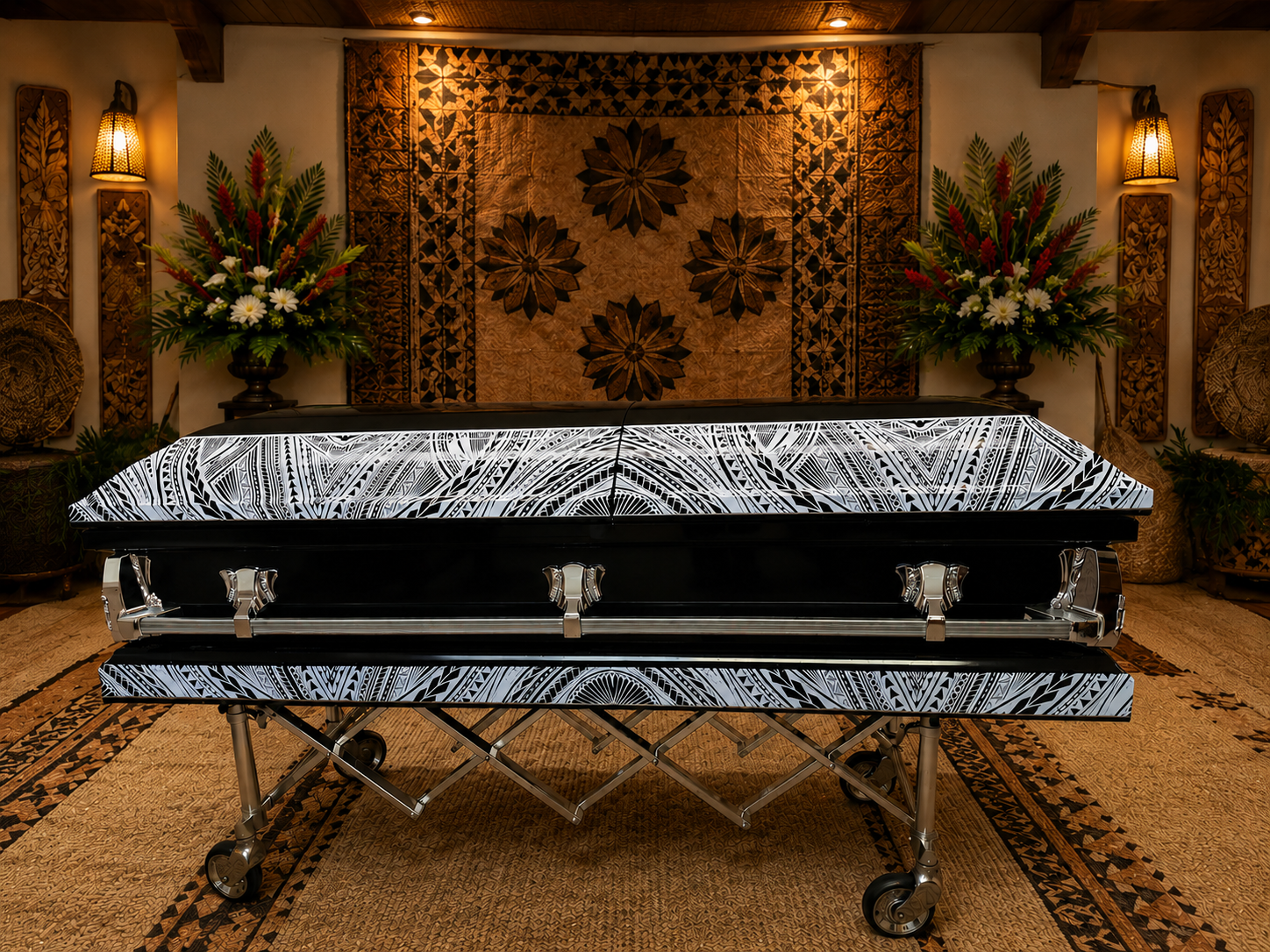
Preparation for cremation is handled with the same level of care and respect as a traditional viewing. This stage is crucial for both safety and the integrity of the final remains. We follow a strict identification protocol that stays with your loved one throughout their entire time in our care.

  1. Medical Device Removal: Devices like pacemakers must be removed, as they can react dangerously to high heat.
  2. Removal of Jewelry: Families may choose to keep specific items of jewelry or personal effects before the process begins.
  3. Washing and Dressing: If the family chooses, the loved one can be washed and dressed in specific clothing for a private viewing.
  4. Cremation Container: The body is placed in a combustible, leak-proof container designed specifically for the cremation chamber.

Many families ask frequent questions about whether they can witness the beginning of the process. At Berg Mortuary, we offer facilities that allow for various levels of family involvement, depending on your personal or religious preferences. Our goal is to provide a setting for healing and reflection, much like the annual memorial services we host for the families we have served over the years.

The Technical Steps of the Cremation Procedure

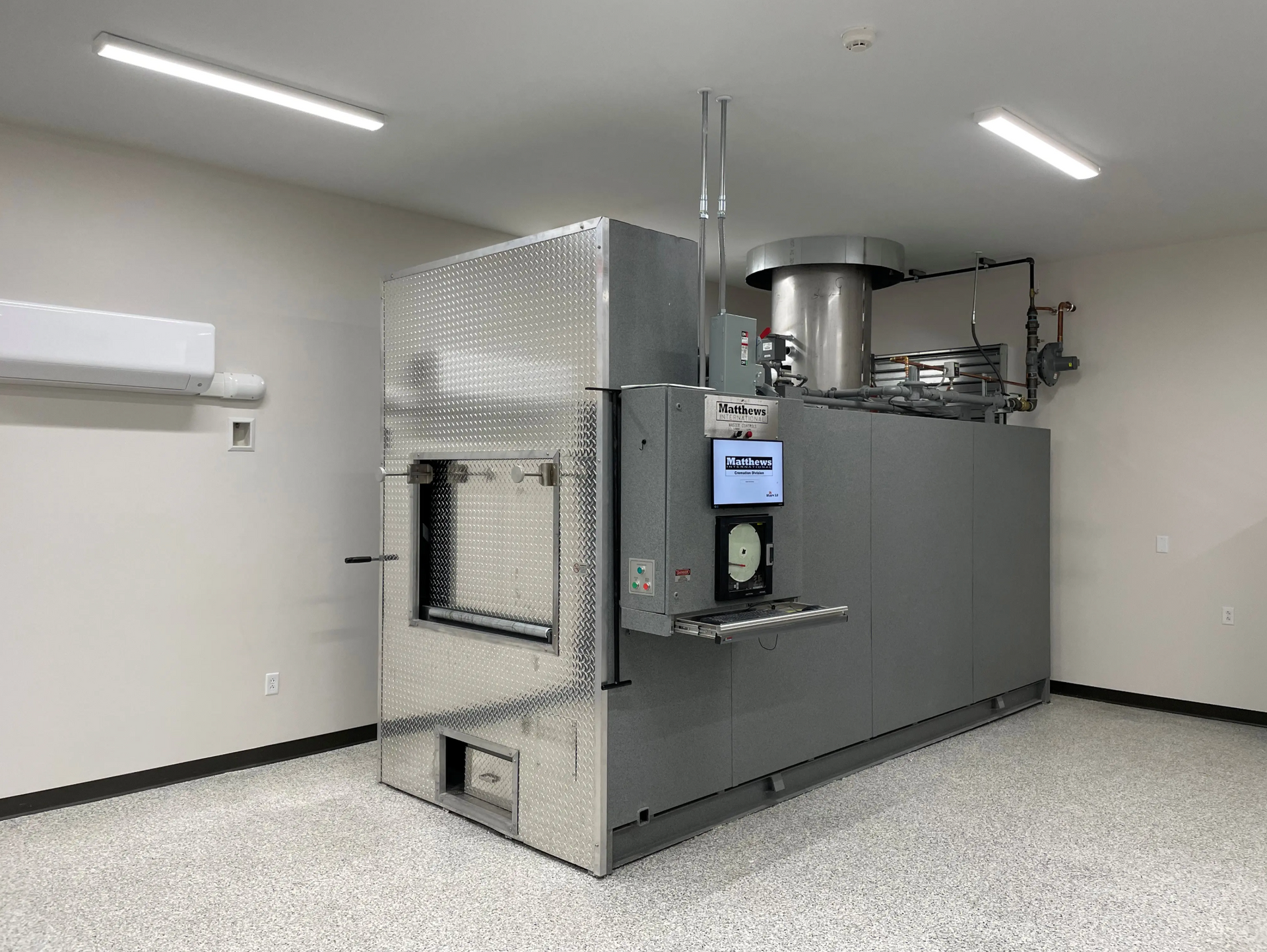
Once the authorizations are in place and the body is prepared, the actual cremation procedure begins. This is conducted in a specialized facility called a crematory, which houses a cremation chamber (also known as a retort). This environment is designed for efficiency, safety, and the highest level of sanitization.

  • Placement: The cremation container is placed inside the chamber, which is pre-heated to the appropriate temperature.
  • Heat Application: Temperatures inside the chamber typically reach between 1,400 and 1,800 degrees Fahrenheit.
  • Duration: The process usually takes between two and three hours, depending on the size of the individual and the type of container used.
  • Cooling Period: After the cycle is complete, a cooling period is required before the remains can be handled by the technician.
Crematory interior view

How Long Does the Entire Process Take?

While the actual cremation cycle only lasts a few hours, the entire process—from the moment a death occurs to the return of the remains—usually takes between 5 and 10 business days. This timeline is influenced by the speed at which a physician signs the death certificate and how quickly the state medical examiner issues the cremation permit.

We understand that waiting can be difficult for grieving families. This is why we prioritize transparent communication. Our history as a locally owned and operated mortuary means we are not beholden to corporate timelines; we work at the pace that best serves our Utah County neighbors. We also encourage families to plan ahead to ensure all legal paperwork is ready in advance, which can significantly streamline the process during a difficult time.

What Happens After the Cremation is Complete?

After the cremation cycle and cooling period, the remaining bone fragments are carefully removed from the chamber. At this stage, any non-combustible materials, such as surgical pins or dental gold, are separated and handled according to the family's prior instructions or environmental standards.

  1. Processing: The bone fragments are processed into a fine, uniform powder, commonly referred to as "ashes."
  2. Urn Placement: The remains are placed into a temporary container or a permanent memorial urn selected by the family.
  3. Labeling: A permanent identification tag is attached to the remains to ensure accuracy and peace of mind for the family.
  4. Final Inspection: A director reviews all documentation one final time before releasing the remains.

The resulting remains are typically light grey or white in color. They are then ready to be returned to the family for a memorial service, burial, or scattering. For those interested in traditional options, our Utah County Cemetery Directory provides information on local final resting places that accommodate cremated remains.

Returning the Remains to the Family

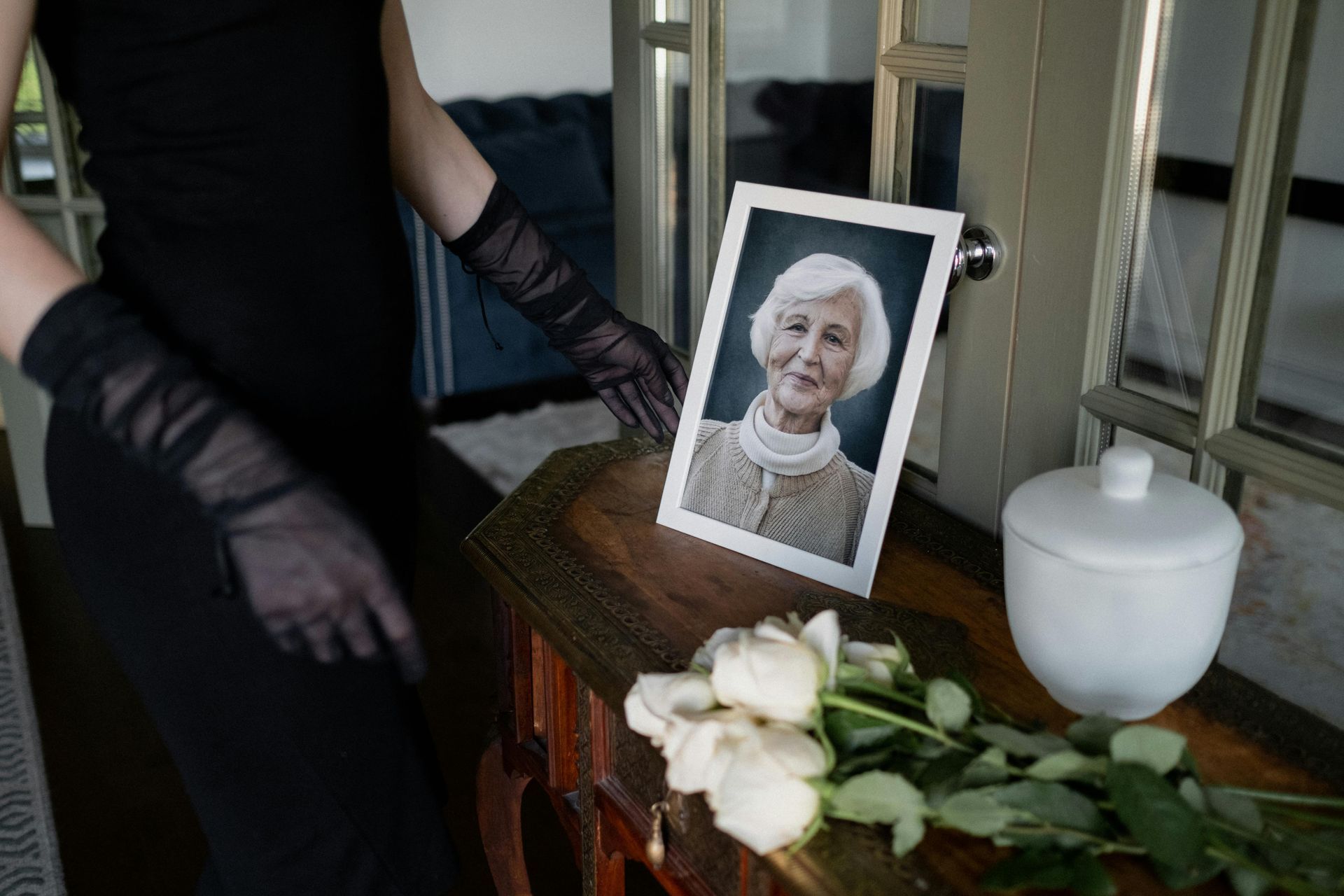
The final step in the cremation process is the return of your loved one to your care. This is a significant moment for many families, marking a transition in the grieving process. Berg Mortuary handles this with the utmost sensitivity, offering a private space for the family to receive the urn.

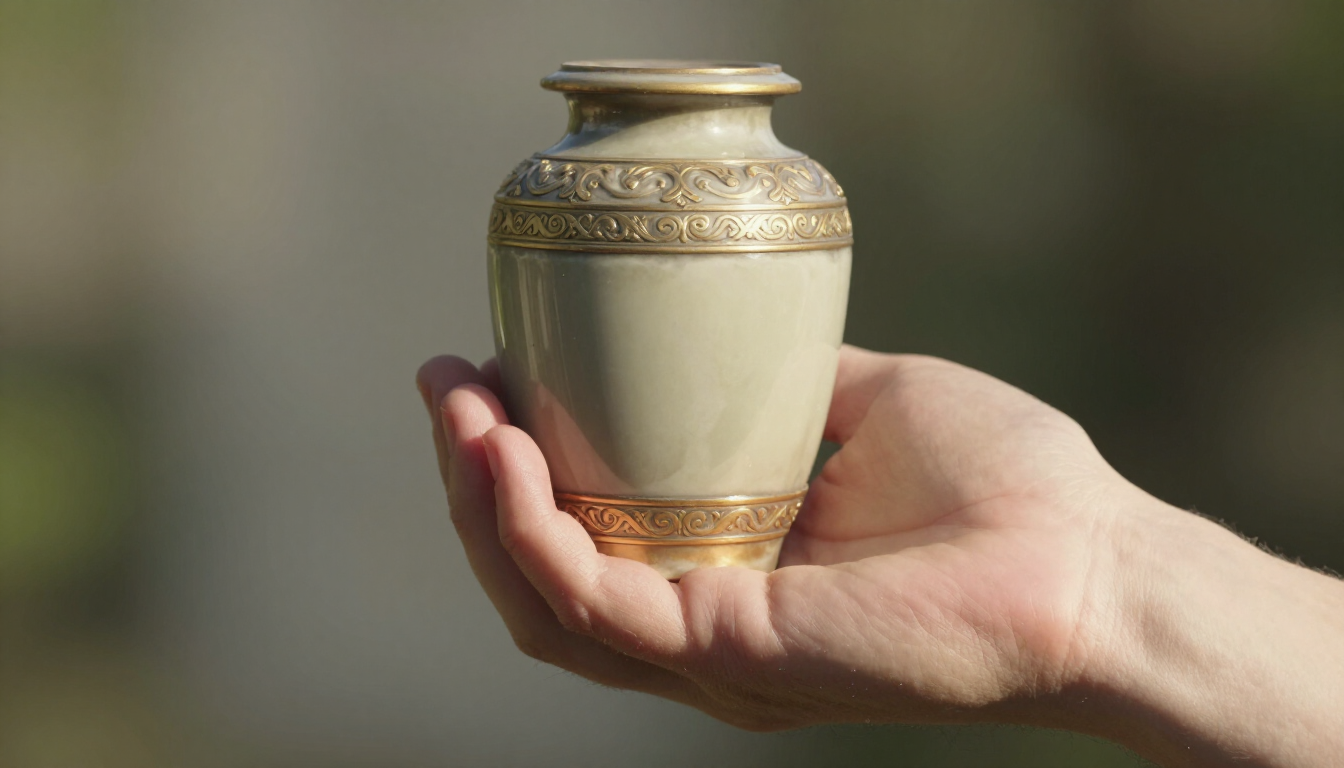
Hand holding a memorial urn

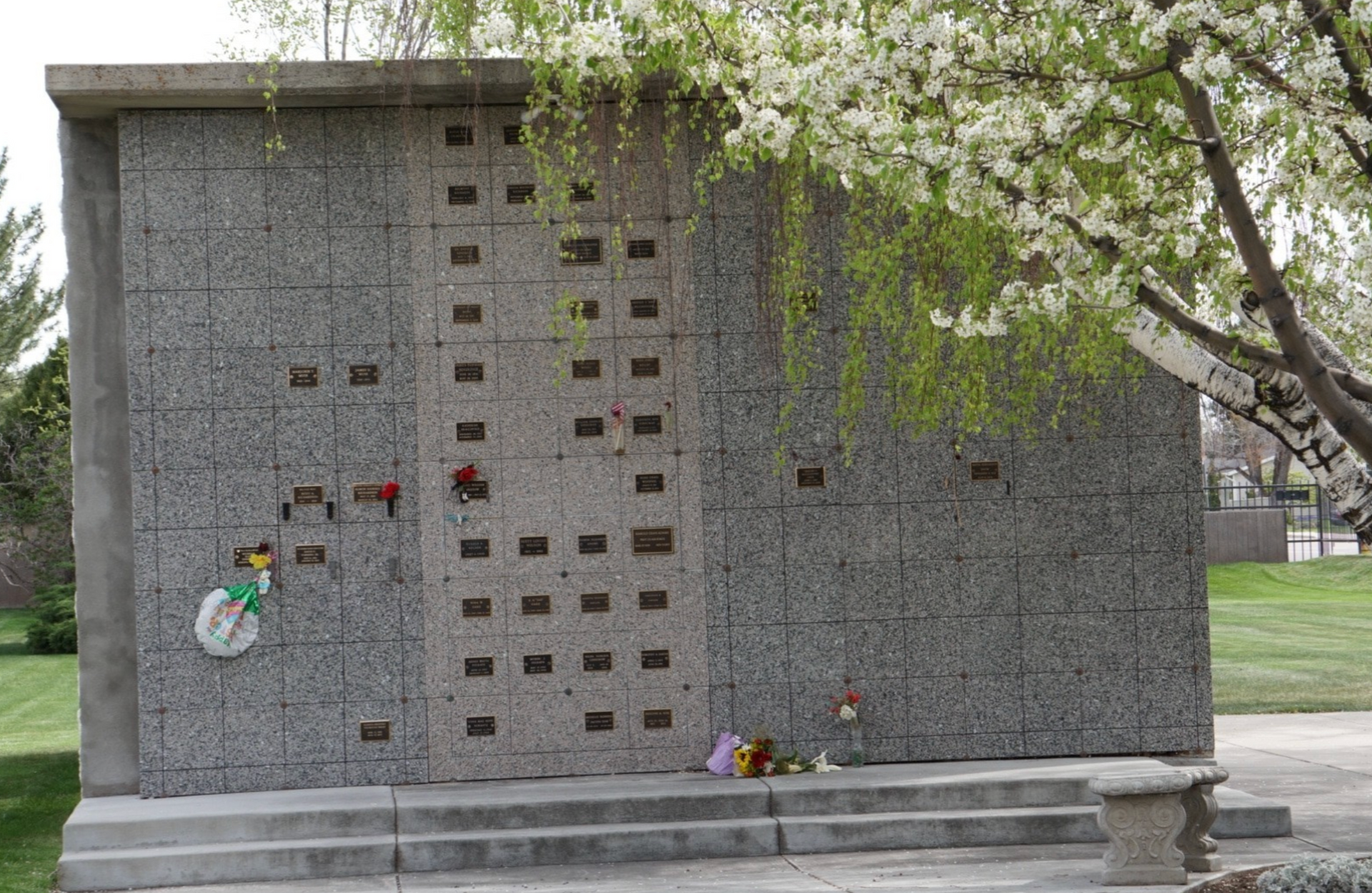
We provide resources for grief support to help families navigate the days and weeks following the service. Whether you choose to keep the urn at home, place it in a columbarium, or plant a tree in their memory, we are here to support your decision. Our involvement in Provo, Orem, and Springville extends beyond the funeral itself; we are part of the community fabric, supporting local charities and veterans who have served our country.

Summary of the Cremation Process

Choosing cremation involves a series of carefully regulated steps designed to honor the deceased with dignity and provide families with clarity. From the initial legal permits required by Utah law to the technical precision of the cremation chamber and the final processing of remains, every detail is managed by professionals who care about your experience.

Key Takeaways for Utah Families:

  • Ensure all legal authorizations and medical examiner permits are secured early.
  • Understand that the entire timeline usually spans 5 to 10 business days.
  • Identity verification is maintained through every stage for your peace of mind.
  • Cremation offers flexible memorialization options for any budget or tradition.

By choosing a trusted local partner like Berg Mortuary, you ensure that your loved one is treated with the respect they deserve while you receive the support you need. If you have further questions or wish to begin the pre-planning process, please contact us or explore our pre-planning checklist today.

Recent Posts

Formal burial clothing selection guide
By Berg Mortuary April 4, 2026
Learn how to choose burial clothing for a loved one. Discover tips on LDS temple garments, aesthetic considerations, and funeral traditions in Provo and Utah County.
A peaceful writing station with a journal and pen.
By Berg Mortuary April 4, 2026
Learn how to write a meaningful obituary with our professional guide. Includes step-by-step instructions, local Utah County tips, and obituary examples for families in Provo and Orem.
By Berg Mortuary April 4, 2026
Why Does Digital Planning Matter for Utah Families?
A comforting interaction between an adult and a child in a peaceful setting.
By Berg Mortuary April 3, 2026
Learn how to talk to children about death with honesty and care. Discover age-appropriate tips for explaining loss and supporting grieving kids in Utah.
By Berg Mortuary April 3, 2026
Viewing and Visitation Customs in Utah
Compassionate funeral planning and transportation services in Utah.
By Berg Mortuary April 3, 2026
Learn the essential steps for transporting a body to Utah or out of state. Explore legal requirements, airline logistics, and how Berg Mortuary manages the process.
Elegant cremation urn with flowers representing affordable services in Utah County.
By Berg Mortuary April 3, 2026
Understand cremation costs in Utah County for 2026. Compare prices for direct cremation, memorial services, and visitations at Berg Mortuary in Provo, Orem, and Springville.
A respectful memorial service setting in Utah County
By Berg Mortuary April 3, 2026
Master funeral etiquette with our comprehensive guide on what to say, wear, and do. Learn professional advice for honoring loved ones in Utah County at Berg Mortuary.
Peaceful cemetery landscape in Utah County with mountain views
By Berg Mortuary April 3, 2026
Discover essential information about Utah County cemeteries, including locations in Provo, Orem, and Springville, burial rules, and what to expect when planning.
Official Utah legal documents and pen representing death certificate processing.
By Berg Mortuary April 3, 2026
Learn the essential steps to obtain Utah death certificates, understand eligibility requirements, and discover how Berg Mortuary assists families in Provo and Utah County during this critical time.
Show More