
What Happens to Social Media Accounts After Death?

Berg Mortuary • April 4, 2026

Share this article

When a person passes away, their social media accounts after death typically remain active unless a family member or legal representative intervenes. Depending on specific platform policies, accounts can be memorialized to serve as a digital tribute, deactivated to protect privacy, or permanently deleted to remove the user’s presence entirely.

In our modern world, we leave behind more than just physical belongings; we leave a sprawling digital footprint. For families in Provo and Orem, navigating the administrative tasks that follow a loss is already overwhelming. Determining how to handle a loved one’s digital legacy—ranging from Facebook profiles to Google Drive archives—adds a layer of complexity to the grieving process. Understanding the options for managing social media accounts after death is essential for protecting a person’s online reputation and providing comfort to survivors. At Berg Mortuary, we believe that comprehensive funeral planning should include these digital considerations to ease the burden on families when a death occurs .

What Happens to Social Media Accounts After Death?

Most social media platforms operate under a policy of strict privacy for the deceased. By default, unless you have specifically designated a "Legacy Contact" or shared passwords, the platform will not grant access to the account to anyone, even family members. This can be frustrating for those who wish to download photos or read messages. However, there is a standard protocol across most services: once notified of a death with official documentation, the platform will either freeze the account in a "memorialized" state or shut it down.

What happens to social media accounts after death? - Berg Mortuary Utah Funeral Home

For many Utah residents, these digital spaces are where memories are stored and shared. If no action is taken, the account remains visible as it was. This may lead to uncomfortable situations, such as receiving automated birthday notifications for a person who has passed. To avoid this, it is vital to understand the platform-specific tools available. Whether you are dealing with a sudden loss or looking at your own pre-planning checklist , addressing these digital assets is as important as traditional estate planning.

Managing Your Digital Legacy: Closing vs. Memorialization

When deciding how to handle social media accounts after death, families typically choose between two main paths: memorialization or deactivation. Each serves a different emotional and practical purpose.

  • Memorialization : This keeps the profile online but adds a "Remembering" tag. It allows friends to post tributes while disabling certain features like public login or notifications.
  • Deactivation/Deletion : This completely removes the account from the internet. It is often chosen by those who prioritize privacy or wish to close a digital chapter entirely.
  • Legacy Contacts : These are individuals designated by the user before death to manage limited aspects of the memorialized account.
  • Data Archival : Some platforms allow families to download an archive of public posts and photos before the account is closed.
  • Privacy Protection : Closing accounts prevents "ghosting" identity theft, where hackers take over inactive profiles to scam others.

How Do I Handle a Facebook or Instagram Account?

Facebook is currently the most advanced platform regarding digital legacy. Users can appoint a "Legacy Contact" in their settings. If you are a legacy contact for someone who has died, you can manage the profile, respond to new friend requests, and update the profile picture. However, you cannot read private messages or remove existing friends. If no contact was designated, family members must submit a request with a death certificate to memorialize or delete the account.

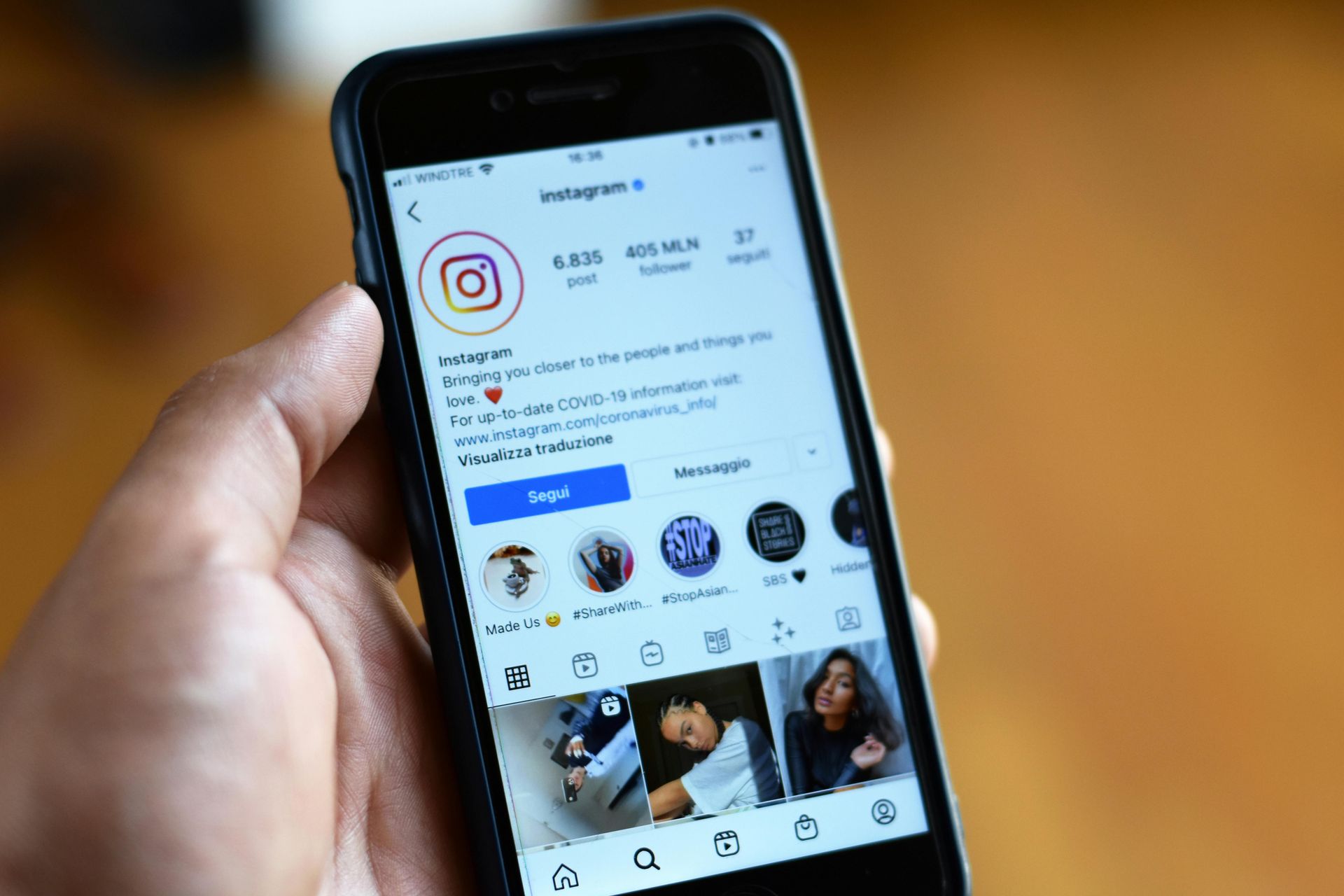
Instagram, owned by Meta, follows a similar process. An Instagram account can be memorialized after a verified request is received. Memorialized accounts do not appear in public spaces like Explore pages or as suggestions for new followers. For those who need more personal assistance during these transitions, our team at Berg Mortuary often helps families find the other resources they need to navigate these digital and physical tasks.

What Are the Specific Rules for Google and X?

Google offers a tool called the "Inactive Account Manager." This allows users to decide what happens to their data after a certain period of inactivity. You can choose to have the data deleted or shared with a trusted person. If this was not set up, Google may still work with immediate family members to close the account or, in rare cases, provide content to settle an estate. For X (formerly Twitter), the policy is stricter; they will only work with verified immediate family members or authorized estate representatives to deactivate an account. They do not currently offer a memorialization option, meaning the account must either remain active or be removed entirely.

Social Media accounts when someone dies: - Berg Mortuary Utah Funeral Home

Can Family Members Gain Full Access to Data?

This is one of the most common questions we hear. The short answer is usually no. Laws and platform terms of service are designed to protect the privacy of the account holder, even after death. Families often want to access private emails or direct messages to understand their loved one’s final thoughts or to find important financial information. However, unless the deceased left their passwords in a secure location or provided specific legal authorization, platforms will rarely grant full login access.

Privacy remains a paramount concern for tech companies. They view the account as a contract with the individual, not the family. This highlights why including digital access in your pre-planning is so critical. Without a clear plan, those private photos and letters stored in the cloud may be lost forever. If you are struggling with these issues, seeking grief support can help you manage the emotional weight of these lost connections.

The Role of a Digital Executor in Utah

Utah has adopted laws that recognize the importance of digital assets. In 2017, the state implemented the Revised Uniform Fiduciary Access to Digital Assets Act (RUPDA). This law provides a legal framework for executors to manage digital property. A "digital executor" is someone you name in your will or through platform tools to handle your online presence. This role is separate from the person managing your physical estate, though it can be the same individual.

By naming a digital executor, you give your family the legal standing they need to interact with tech companies. This is especially helpful in Utah County, where many families have complex digital lives spanning decades of community involvement. At Berg Mortuary, our history of serving the Provo area has shown us that being prepared for every aspect of life—including the digital one—brings immense peace of mind to those left behind.

Digital Legacy Planning: Steps to Take Today

To ensure your social media accounts after death are handled according to your wishes, you should take proactive steps now. Waiting until a crisis occurs makes it much harder for your loved ones to manage your online footprint. We recommend the following checklist:

  1. Inventory Your Accounts : List every social media, email, and cloud storage account you use.
  2. Appoint Legacy Contacts : Use the built-in tools on Facebook and Google to name a trusted person.
  3. Store Passwords Securely : Use a digital vault or a physical list kept in a secure place known to your executor.
  4. Write Down Your Wishes : Clearly state whether you want your accounts memorialized or deleted.
  5. Consult a Professional : Discuss digital assets when updating your will or funeral plans.

Why Does Digital Planning Matter for Utah Families?

In our tight-knit communities like Orem, Springville, and Provo, social media often acts as a digital town square. It is where we share news of births, marriages, and unfortunately, losses. When a social media account is handled with care, it can become a beautiful space for the community to gather and remember. When it is ignored, it can lead to confusion or the loss of precious family history. Proper management ensures that your online presence reflects the life you lived and the values you held.

Handling the digital side of death is just one part of the journey. If you need assistance with any stage of the process, from service offerings to final arrangements, we are here to help. Our goal is to provide clarity and dignity to every family in Utah County, ensuring that every legacy—digital or physical—is honored appropriately.

Managing social media accounts after death requires a balance between privacy and remembrance. Whether you choose to memorialize a profile for friends to share memories or deactivate it to protect your loved one’s digital footprint, having a plan is the best way to support your family during a difficult time.

Key Takeaways for Digital Legacy:

  • Choose Early : Decide between memorialization and deletion before the need arises.
  • Use Platform Tools : Set up Legacy Contacts on Facebook and Google today.
  • Legal Standing : Understand that Utah law supports digital asset management through RUPDA.
  • Protect Memories : Download and save important digital photos and messages periodically.
  • Seek Help : If you are overwhelmed, contact us for guidance on the broader aspects of honoring a loved one.

By taking these steps, you ensure that your digital legacy remains a source of comfort rather than a burden for your family for generations to come.

Recent Posts

Professional and compassionate funeral service guidance at Berg Mortuary.
April 21, 2026
Learn the truth behind the myth of a dead body sitting up. Discover the science of post-mortem changes and why professional funeral care in Utah County provides peace of mind.
What Is the Cheapest Funeral Option in Utah?
By Berg Mortuary April 20, 2026
Discover the cheapest funeral options in Utah, including direct cremation and simple services, with real costs and ways to reduce expenses.
insurance and funeral plans in utah
By Berg Mortuary April 20, 2026
Learn what happens to unused funeral funds or insurance in Utah, including prepaid plans, life insurance, and how remaining funds are handled.
Can You Have a Viewing and Still Choose Cremation in Utah?
By Berg Mortuary April 20, 2026
Learn if you can have a viewing or funeral after cremation in Utah. Explore your options and create a meaningful service for your loved one.
Consulting about funeral arrangements in Utah at Berg Mortuary.
By Berg Mortuary April 19, 2026
Learn what happens when no funeral arrangements are made in Utah. Discover the legal, financial, and emotional impact on families.
A professional folder for funeral pre-planning on a desk.
By Berg Mortuary April 19, 2026
Learn how to change or transfer a prepaid funeral plan in Utah. switching providers, and what to look for in your contract to ensure your final wishes are protected.
Essential documents and folders for funeral planning in Utah on a wooden desk.
By Berg Mortuary April 19, 2026
Learn which essential documents are required for Utah funeral planning, including death certificates, Social Security information, and marital records.
Navigating Social Security and death benefits in Utah after a loss.
By Berg Mortuary April 19, 2026
Learn how to navigate Social Security, veteran benefits, and pensions after a death in Utah. This comprehensive guide helps families manage death benefits
A peaceful landscape representing Utah County during sunset.
By Berg Mortuary April 19, 2026
Learn how to choose a funeral home in Utah County with our compassionate guide. Explore key factors like reputation, pricing, and services in Provo and Orem.
Beautiful granite headstones in a Utah cemetery with mountain backdrop
By Berg Mortuary April 14, 2026
A comprehensive guide to headstones in Utah. Learn about costs, cemetery marker rules in Utah County, and how to choose the right grave marker for your loved one.
Show More