The Church of Jesus Christ of Latter-day Saints funeral traditions: What Families Should Expect
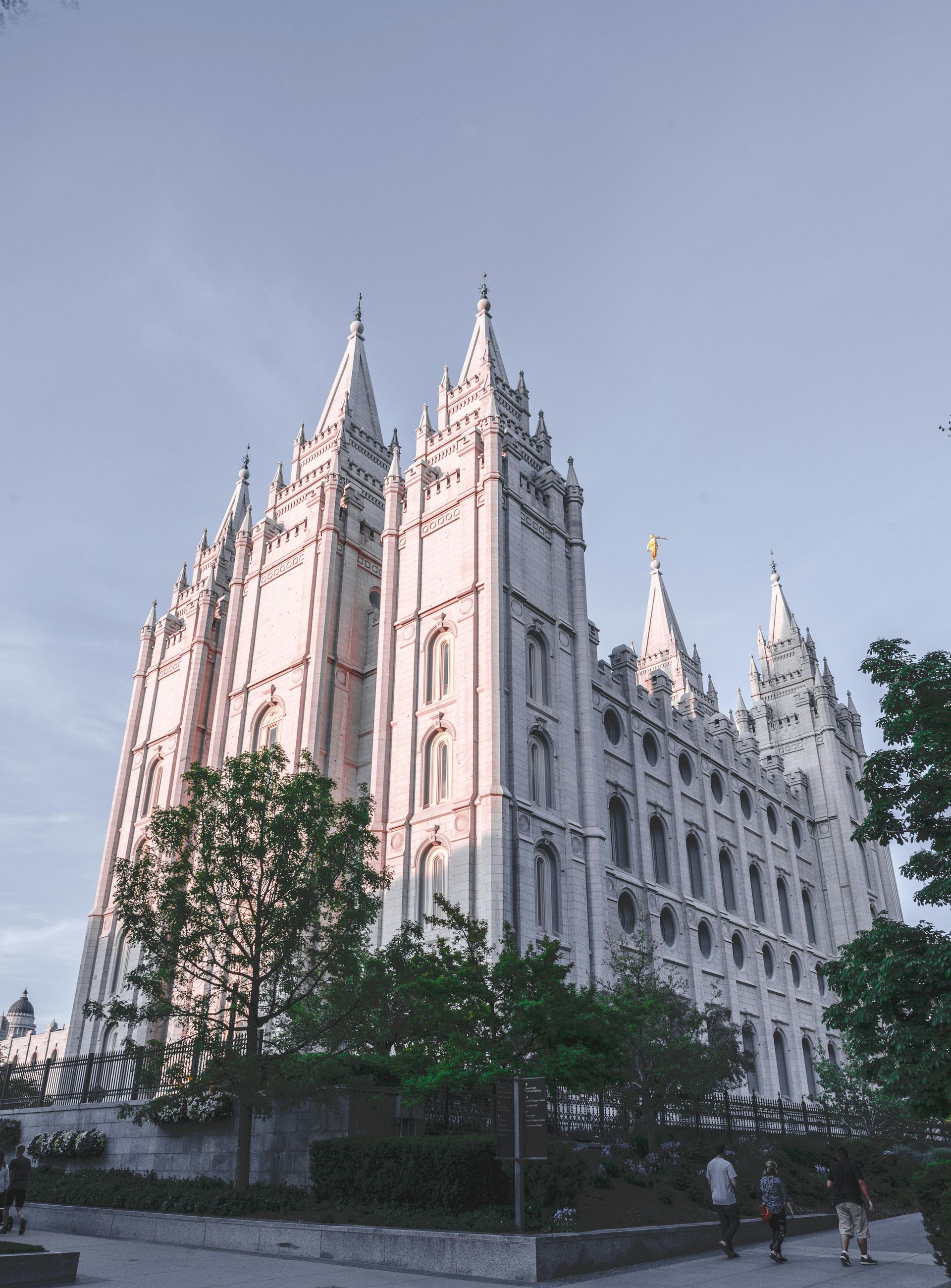
The Church of Jesus Christ of Latter-day Saints funeral traditions in Utah focus on the "Plan of Salvation," emphasizing the eternal nature of families and the resurrection. Services typically occur in local ward meetinghouses, presided over by a Bishop, and include hymns, prayers, and personal tributes designed to provide hope and comfort to the bereaved families.
What are the main funeral traditions for members of The Church of Jesus Christ of Latter-day Saints?
In Utah, the Church of Jesus Christ of Latter-day Saints (LDS) has a deeply rooted culture surrounding death and mourning. These traditions are not merely social customs; they are extensions of the faith's core theology regarding the purpose of life and the journey of the soul after death. When a family experiences the loss of a loved one, the process is often a collaborative effort between the family, the local congregation (known as a ward), and a trusted funeral home like Berg Mortuary.
One of the most defining characteristics of an LDS funeral is the atmosphere. While there is a natural sense of sadness, the primary focus is on the "Plan of Salvation." This doctrine teaches that life continues after death and that families can be reunited in the afterlife. Consequently, the service is often viewed as a "celebration of life" mixed with a sacred religious meeting. Unlike some secular services, an LDS funeral is considered a formal church meeting, which influences everything from the choice of music to the topics discussed by the speakers.
Community support is another hallmark of these traditions. In Utah County cities like Provo and Orem, it is common for neighbors and ward members to provide meals, assist with childcare, and offer emotional support long before the actual service begins. This communal approach ensures that the grieving family does not feel alone during their time of need. For those unfamiliar with these customs, understanding the blend of religious solemnity and community warmth is the first step in knowing what to expect.
The Theological Foundation: The Plan of Salvation
To understand LDS funeral traditions, one must understand the Plan of Salvation. This theological framework suggests that human beings lived as spirits with God before birth, came to earth to gain experience and a physical body, and will return to God after death. Because of the belief in the Atonement of Jesus Christ, death is seen as a temporary separation rather than a final goodbye.
This perspective dictates the tone of the funeral talks. Speakers, who are usually family members or close friends, are encouraged to share memories that highlight the deceased’s character, faith, and adherence to gospel principles. The Bishop or a designated speaker will often conclude the service by sharing a brief message about the hope of the resurrection. This structure provides a sense of closure while reinforcing the religious beliefs that sustain the family.
Families often find great comfort in these teachings. At Berg Mortuary, we assist families in aligning their service offerings with these specific religious needs, ensuring that the sacred nature of the faith is respected throughout the entire process.
What happens during a Latter-day Saint funeral service?
The funeral service itself usually lasts between 60 and 90 minutes. It is almost always held in the "chapel"—the main meeting hall of an LDS ward building—rather than a funeral home chapel, although either is acceptable. The Bishop of the ward typically presides over the meeting, ensuring that the proceedings follow the established guidelines of the Church.
Common elements of the service include:
- An opening and closing prayer offered by family members or friends.
- Congregational hymns and special musical numbers focused on peace and hope.
- Tributes or a biography (obituary) read by a family member.
- Short sermons or "talks" regarding the deceased and the Plan of Salvation.
- A concluding message from the Bishop.
Music plays a vital role in these services. Unlike secular funerals where pop music might be common, LDS services favor sacred hymns or classical music that invites a spirit of reverence. It is also worth noting that the casket is usually present in the chapel but is kept closed during the actual funeral service. Any open-casket viewing typically occurs before the service in a separate room or at the funeral home the evening prior. For those looking for more specific details on organizing these elements, our Bishop's Resources page provides additional guidance.
Proper Attire and Etiquette for Attendees
If you are attending an LDS funeral in Utah for the first time, you might wonder about the proper etiquette. Because the funeral is considered a religious service, the attire is generally formal and conservative. Men typically wear suits or a white shirt and tie, while women usually wear modest dresses or skirts. While black is traditional for mourning in many cultures, it is not strictly required at LDS funerals; many people wear muted colors or even brighter shades to reflect the hope of the occasion.
When entering the chapel, it is customary to maintain a quiet, reverent demeanor. Families often sit in the front rows, and it is polite to arrive early to find seating in the back or middle sections. If there is a guest book, be sure to sign it, as these are often kept by the family as a precious memento of those who came to honor their loved one. Following the service, there is often a procession to the cemetery for the interment.
Why is the Bishop’s role important in planning?
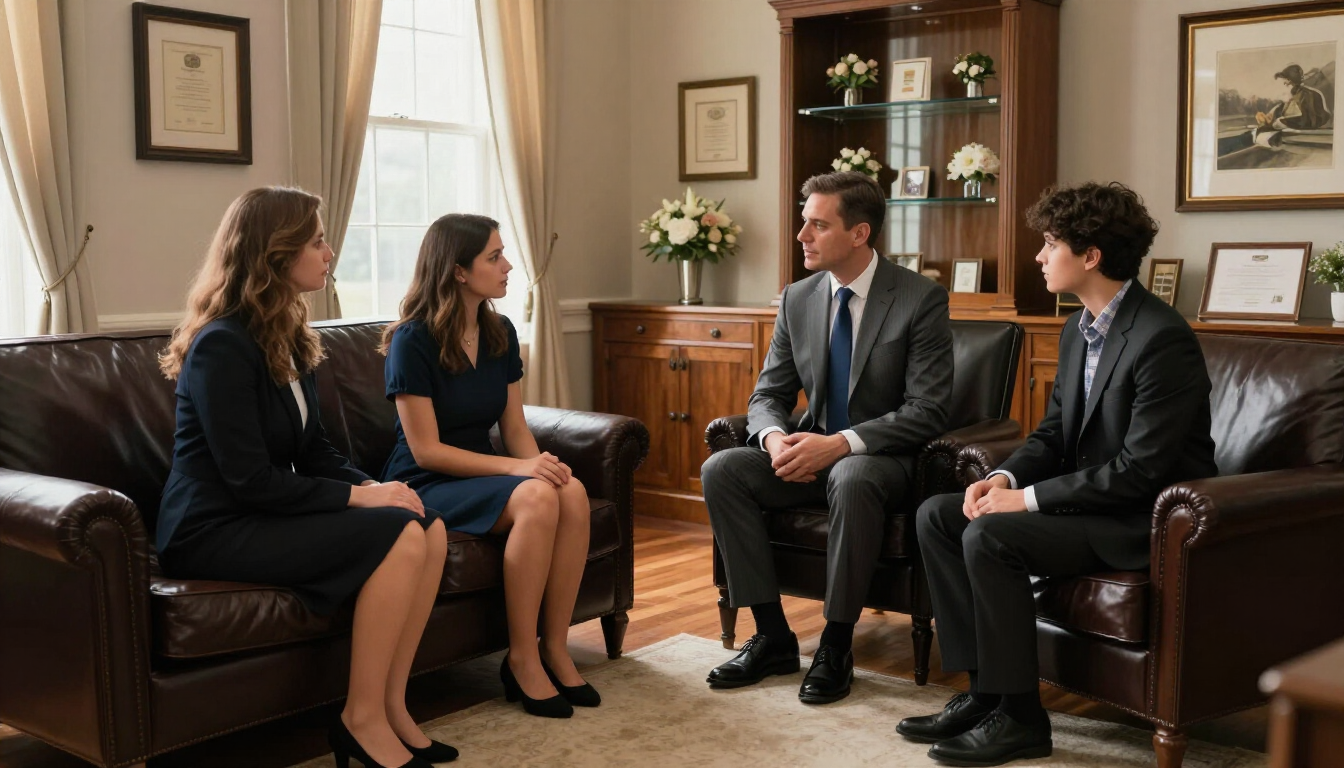
The Bishop is the lay leader of a local LDS congregation. In the context of a funeral, he acts as both a spiritual advisor and a logistical coordinator. He works closely with the family and the funeral director to schedule the use of the church building and to organize the program. Because the Bishop is often a neighbor and friend to the family, his involvement adds a layer of personal care to the process.
He also oversees the "Family Prayer," a private moment held just before the casket is moved into the chapel. This is a time for the immediate family to gather, share a few private words, and have a designated family member offer a prayer. This tradition is one of the most tender parts of the process, providing the family with a moment of peace before the public service begins.
Viewing and Visitation Customs in Utah
In Utah, it is very common to have a "viewing" or "visitation" held the evening before the funeral at the funeral home, and often again for an hour immediately preceding the funeral at the church building. This allows friends, coworkers, and extended ward members to pay their respects to the deceased and offer condolences to the family in a more informal setting than the funeral service.
For deceased members of the Church who have received their temple endowments, there is a specific tradition regarding clothing. They are often buried in white temple clothing, which holds deep symbolic meaning regarding their covenants with God. The process of dressing the deceased in this clothing is often handled by family members or members of the local Relief Society or Elders Quorum, coordinated through the funeral home. This is a sacred service that many find to be a final act of love and devotion. At Berg Mortuary, we are experienced in facilitating these sensitive requirements with the utmost dignity.
How should families prepare for the burial and dedication?
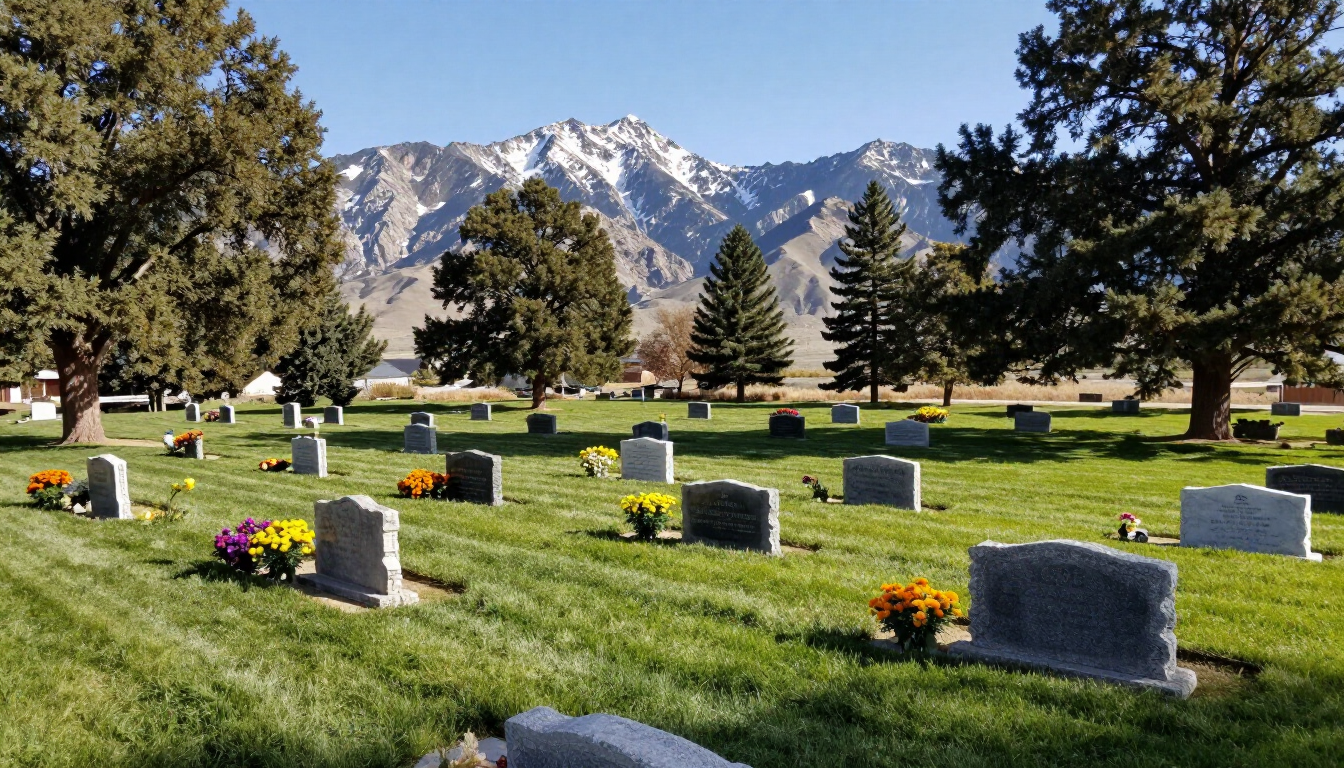
Following the funeral service, a funeral procession travels to the cemetery. In Utah, many families choose local sites found in our Utah County Cemetery Directory . Once at the gravesite, a brief but significant ceremony occurs known as the "Dedication of the Grave."
This short service consists of:
- A gathering of family and friends around the casket.
- A prayer offered by a priesthood holder (often a family member).
- The formal dedication of the land as a resting place until the resurrection.
- A closing moment of reflection before the family departs.
The dedication prayer is unique to the LDS faith. It typically asks for the protection of the grave and the comfort of the family. It is a quiet, powerful conclusion to the formal funeral events. After this, many families return to the church building for a "luncheon" provided by the Relief Society, the church’s women’s organization. This meal offers a space for family members to decompress, share stories, and feel the support of their community.
Specific Utah County Traditions and Trends
While LDS traditions are fairly consistent worldwide, Utah County has its own unique cultural flavors. Because of the high density of LDS members in Provo, Orem, and Springville, funeral services often involve very large turnouts. It is not uncommon for several hundred people to attend a service for a well-known community member.
Furthermore, there is an increasing trend toward personalization within the bounds of the religious structure. Families might include video tributes during the viewing or display personal items that reflect the deceased's hobbies and passions. While the chapel service remains focused on the gospel, these personal touches at the viewing help tell the full story of the individual's life. If you are starting to think about your own preferences, our pre-planning checklist can help you organize these details in advance.
Key Takeaways for Families
Navigating LDS funeral traditions in Utah requires a balance of religious observance and personal tribute. Understanding that the Bishop will lead the process and that the ward community will likely offer significant support can alleviate much of the stress of planning. Remember that the service is intended to be a hopeful occasion centered on the Plan of Salvation, while the viewing and luncheon provide the necessary space for social connection and personal mourning.
Key takeaways include:
- The Bishop is your primary contact for church-based logistics.
- Services are formal, sacred, and focused on the resurrection.
- Temple clothing is a significant tradition for endowed members.
- The Relief Society often provides a supportive meal for the family.
- Grief support is available through both church and professional channels.
Planning a funeral is a significant undertaking, but you do not have to do it alone. By combining the rich traditions of the Church of Jesus Christ of Latter-day Saints with the professional guidance of Berg Mortuary, you can create a service that honors your loved one's faith and legacy. Whether you are currently in need of services or looking to plan ahead , understanding these expectations ensures a more peaceful and meaningful experience for everyone involved.